Plug-In Solar in Australia: What Could It Mean for Renters and Electricity Bills?
16 September 2026 · By Cutco
Plug-In Solar in Australia: What Could It Mean for Renters and Electricity Bills?
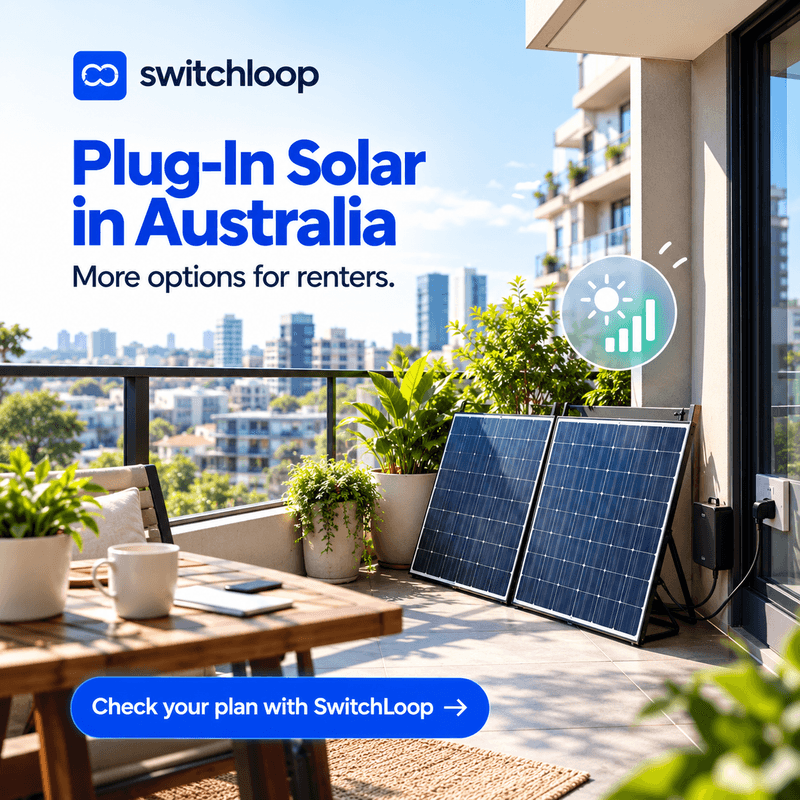
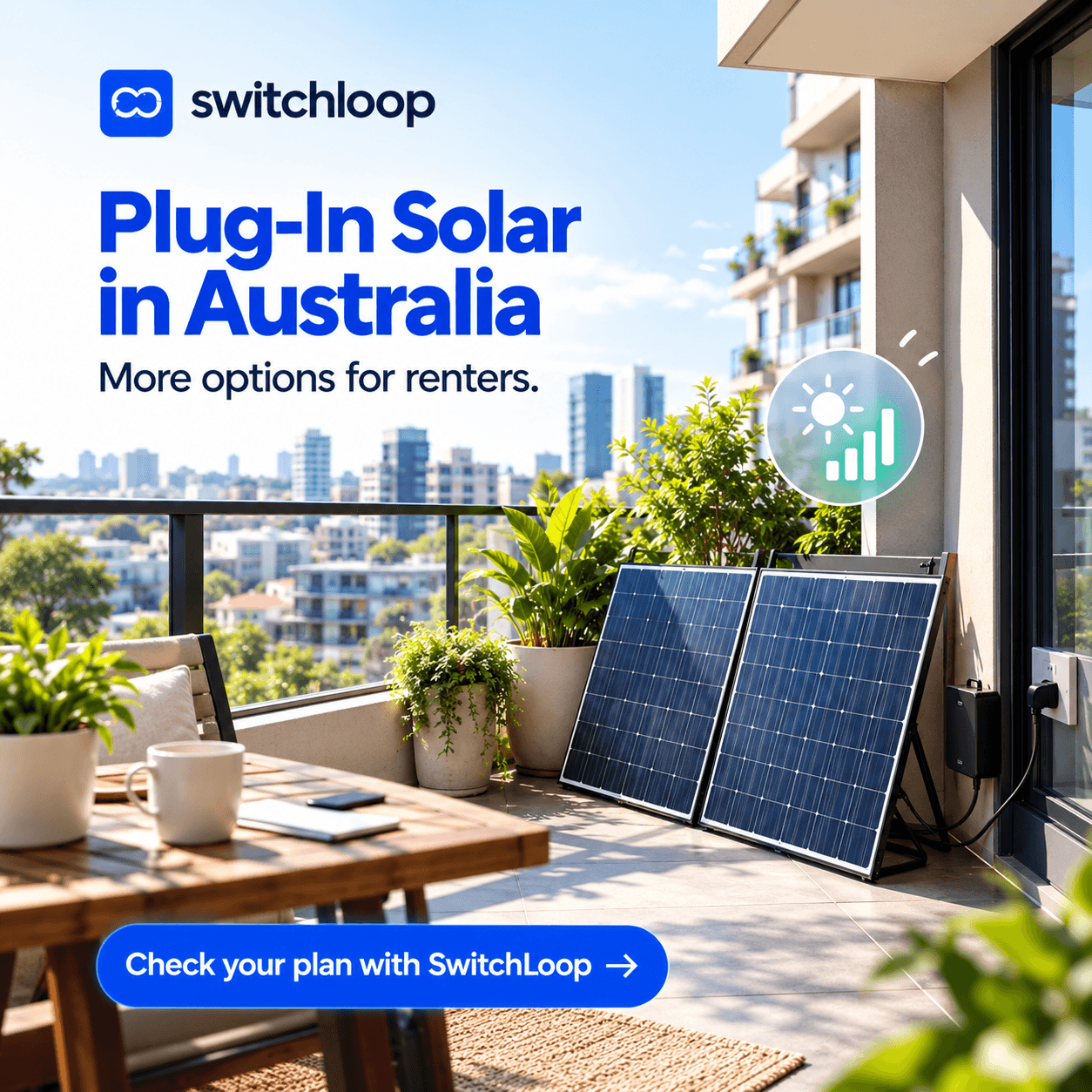
Solar power has usually been easier for homeowners to access than renters.
If you own a house, you may be able to install solar panels on your roof. But if you rent an apartment or live in a property where rooftop solar is not possible, your options have been more limited.
That could start to change.
Australia's energy ministers have agreed to explore pathways for the safe use of plug-in solar and batteries. The move could eventually give renters and apartment residents more ways to use solar power without installing a traditional rooftop system.
What is plug-in solar?
Plug-in solar, sometimes called balcony solar, uses small solar panels connected through an inverter and a standard power point.
The systems are already used in countries such as Germany and the UK. In Australia, however, they can currently be sold but cannot legally be plugged in and used in the same way. Energy ministers are now looking at how they could be safely deployed across Australia.
This could be useful for renters because a portable system could potentially move with them when they change homes.
For people who cannot install rooftop solar, this could provide another way to reduce the amount of electricity they buy from the grid.
Will plug-in solar automatically lower your bill?
Not necessarily.
How much you save will depend on several things, including how much electricity the system produces, when you use electricity, your electricity rates and how much power you send back to the grid.
That last point is important.
Your electricity plan still matters even if you have solar.
Two households with similar solar systems could receive different results depending on their electricity plans, usage rates, daily supply charges and feed-in tariffs.
This means getting solar is only one part of managing your energy costs.
Don't forget your electricity plan
As solar options expand, Australians may have more choices about how they generate and use electricity.
That makes it even more important to understand the electricity plan connected to your home.
You should check your usage rate, supply charge, solar feed-in tariff and any discounts or conditions attached to your plan.
For renters, this could become particularly useful if plug-in solar becomes widely available.
How SwitchLoop fits in SwitchLoop helps households stay on top of their electricity plans.
Instead of checking the market once and forgetting about it, SwitchLoop monitors your plan and identifies when a more suitable option becomes available.
That can be useful as Australia's energy market changes.
A new solar system, battery or plug-in solar setup may change how your household uses electricity. Your electricity plan may need to change with it.
The recent move towards plug-in solar could give millions of Australian renters and apartment residents more control over their energy use.
But generating some of your own electricity does not mean you should stop reviewing your electricity plan.
Solar can change how you use electricity. SwitchLoop can help you keep an eye on the plan you pay for.